THE PROP
Two slats, one bang
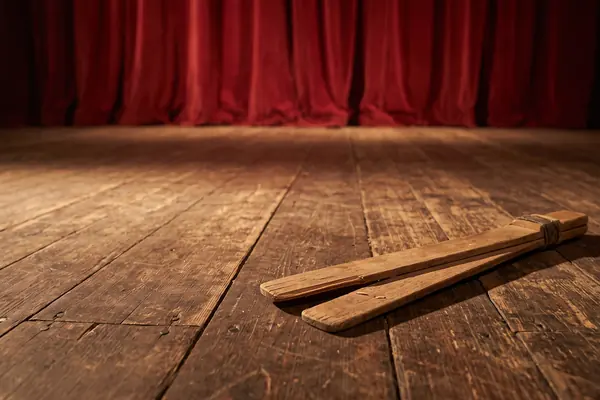
The Italian batacchio, or slap stick, has two thin wooden slats. It makes a loud smack with only a little force, so actors could hit each other again and again.
Date a gag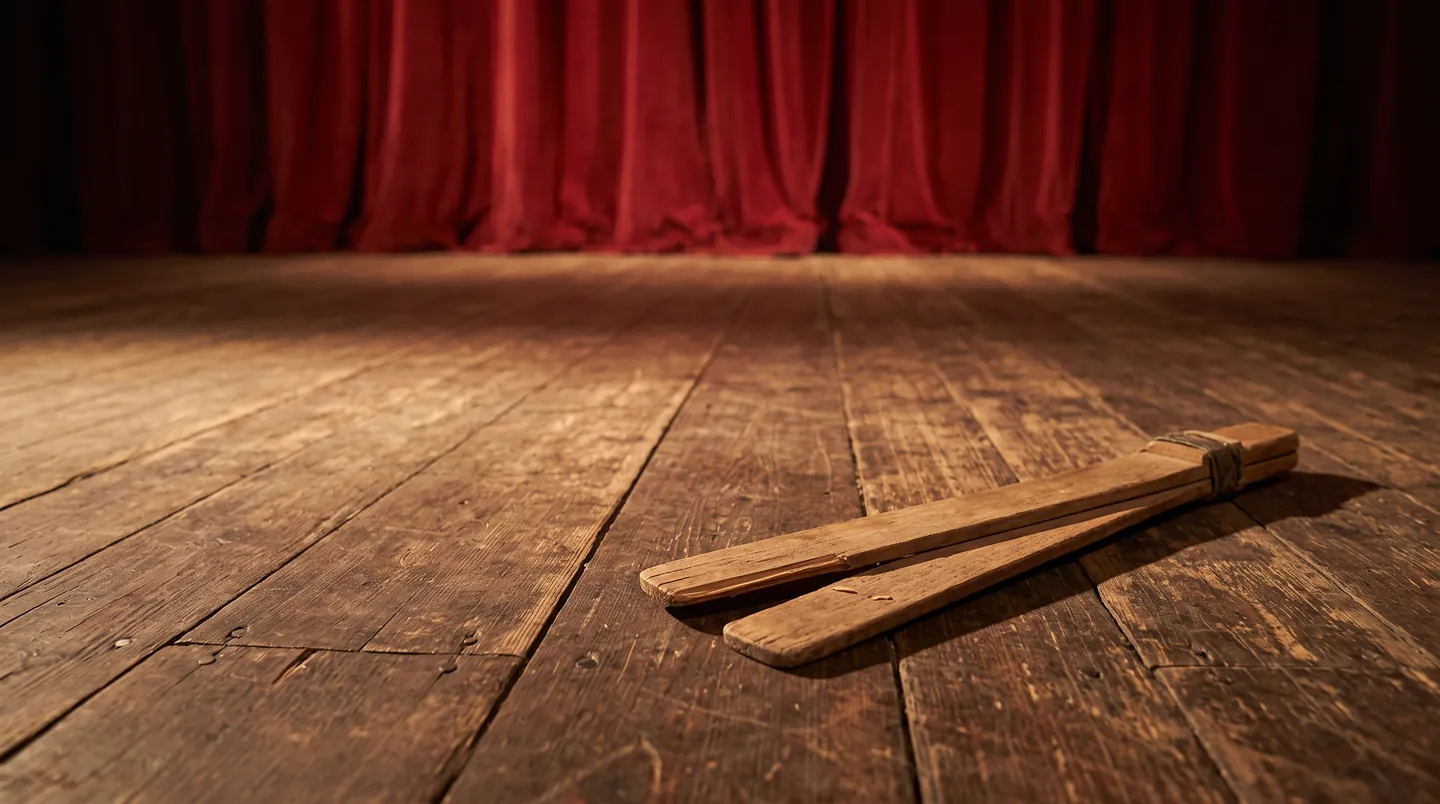
SLAPSTICK, BY THE HISTORY
SLAP! but nobody hurt
AI-generated image, not a photograph of a real person or place.
The joke was always in the sound.
Slapstick is named after a real prop: two thin slats of wood that clap loudly when they strike, while passing on very little force. From Italian comedy to the custard pie, the trick has stayed the same: make it look and sound far worse than it is.
THE SHORT ANSWER
A stick that claps instead of hurts.
A style that tells stories without words.
THE PROP
The Italian batacchio, or slap stick, has two thin wooden slats. It makes a loud smack with only a little force, so actors could hit each other again and again.
Date a gagTHE STAGE
The V&A says the word also traces to 18th-century harlequinades, where Harlequin's wooden bat knocked down hinged flaps to change the scenery.
Two origin storiesTHE PIE
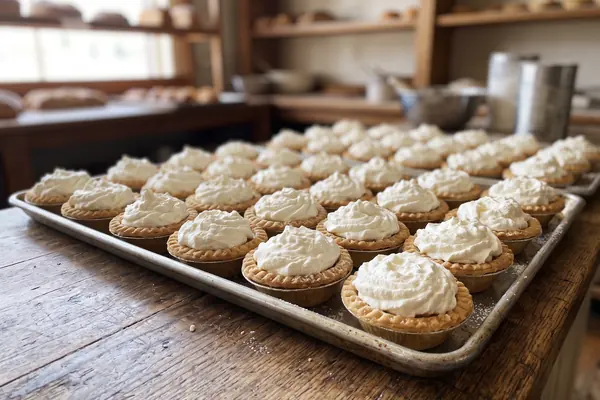
A 1904 music-hall sketch, Mumming Birds, featured the pie in the face. By 1927 a single film fight used some 3,000 pies.
See the numbers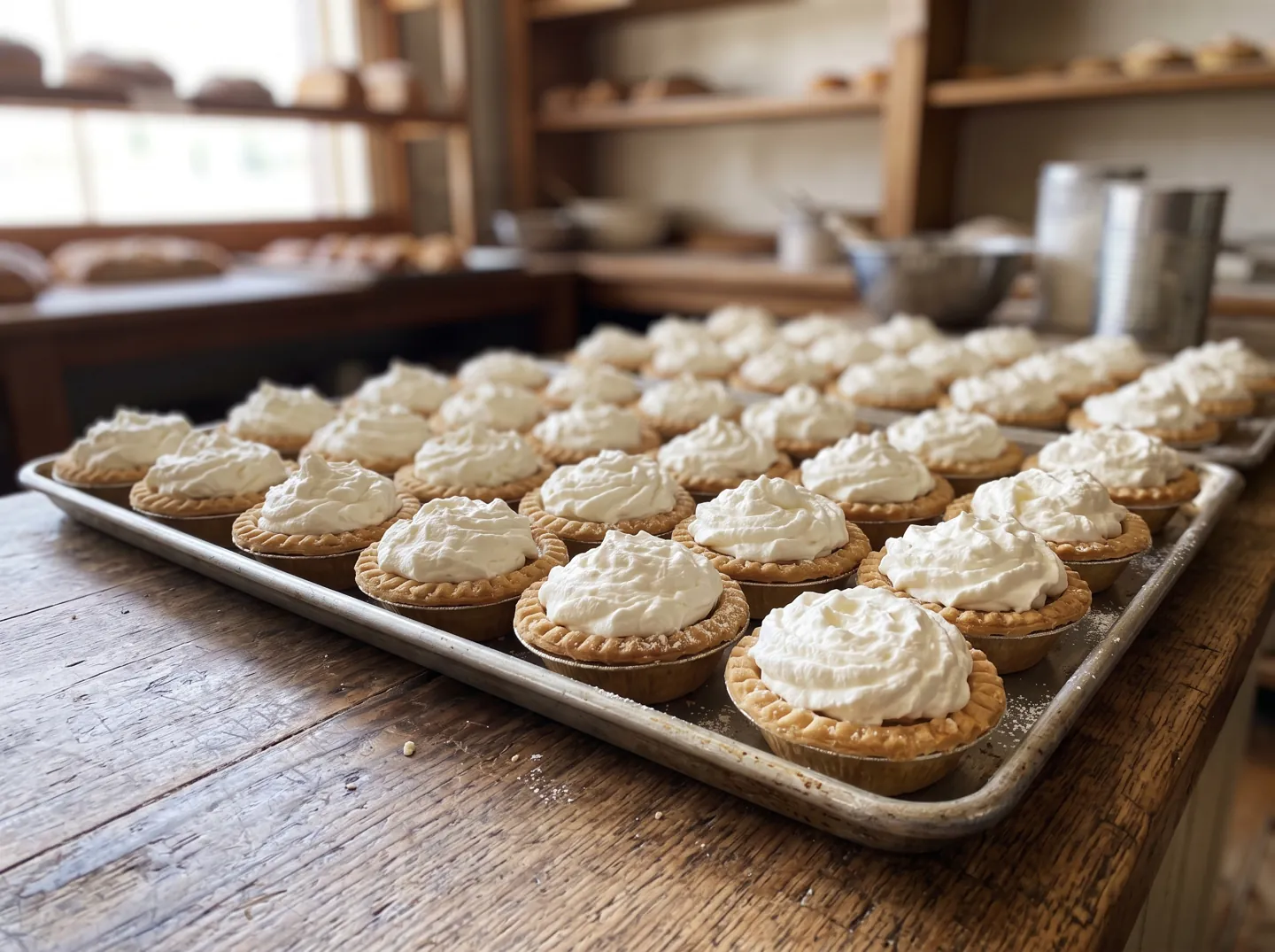
FOUR THINGS TO WATCH FOR
Next time you watch an old comedy, look for the craft that has carried slapstick across four centuries.
The slap stick's whole point is sound: a loud smack that sells the blow while doing almost no harm.
In the 1927 pie fight each throw misses its target and hits someone new, who joins in. One mishap feeds the next.
Karno built sketches without dialogue in the 1890s to get round stage censorship. Good slapstick still works with the sound off.
Commedia's masked stock characters, such as Harlequin and Pantalone, live on in pantomime and in the Punch of Punch and Judy.
TWO NUMBERS WORTH KNOWING
One figure on how big the pie gag got,
one on how much silent comedy has been lost.
≈ 3,000 pies
Pies thrown in one 1927 silent short
The Library of Congress says some 3,000 pies were thrown in The Battle of the Century, added to the US National Film Registry in 2020.
THE PIE FIGHT · LIBRARY OF CONGRESS
75%
Share of silent films believed lost
Silent films were routinely melted down after their runs. A 2013 Library of Congress study found that 75 percent are believed lost forever.
SILENT FILM SURVIVAL · LIBRARY OF CONGRESS
The pie fight itself was thought lost for decades: the second reel was rediscovered by a collector in 2015 and the film was pieced together from several archives.
A QUICK GAG DATER
Pick a classic piece of slapstick to see roughly when it took shape. The bar shows how far back it goes.
Dates from the V&A's history of pantomime, the Library of Congress and the Wikipedia articles on slapstick, commedia dell'arte and Fred Karno.
TWO STORIES, ONE WORD
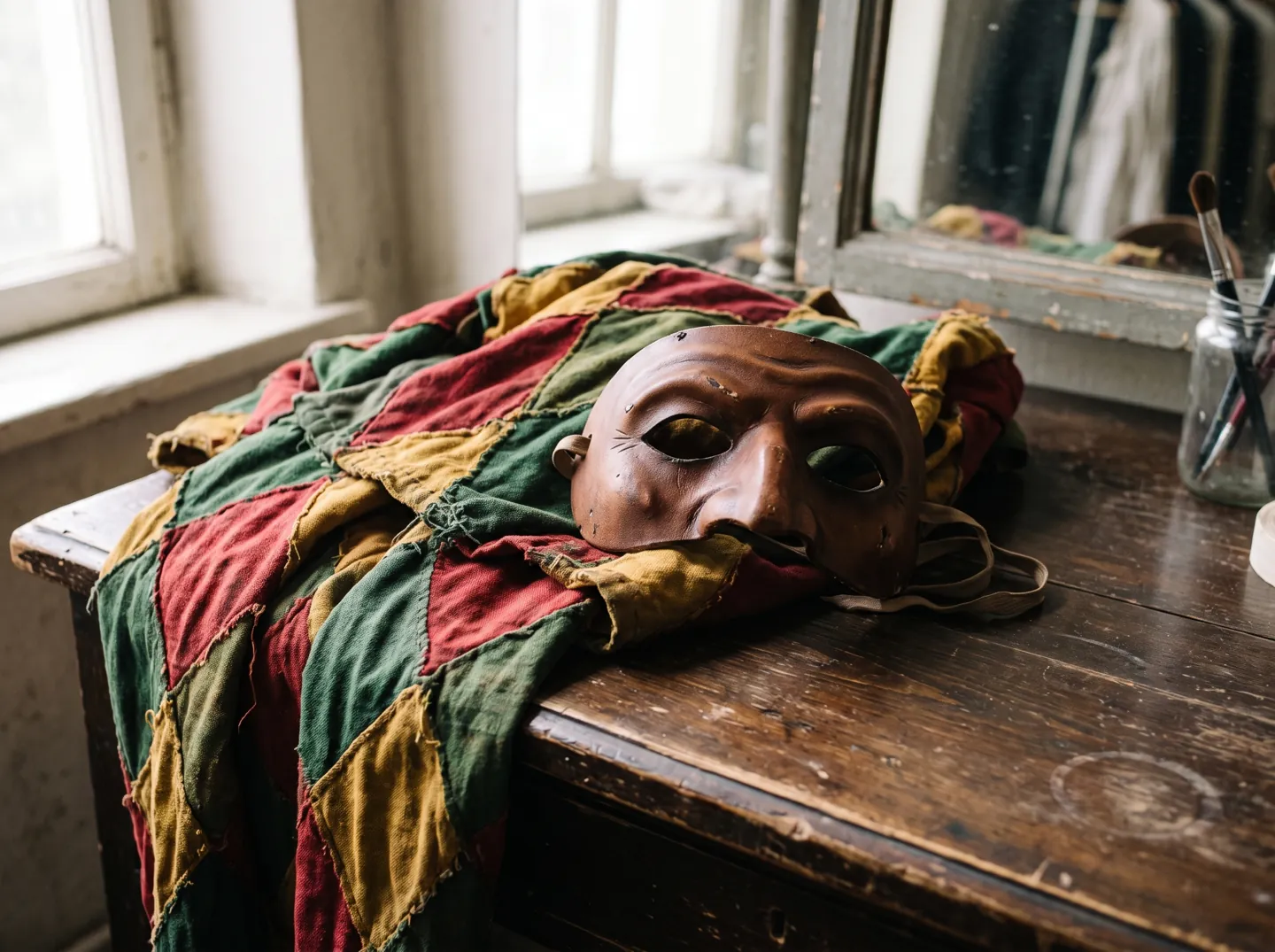
Most accounts trace the name to the batacchio of 16th-century Italian commedia dell'arte: two wooden slats that smack together on impact, among the earliest stage special effects along with the inflatable bladder.
The V&A tells a London version: in John Rich's 18th-century harlequinades, Harlequin's wooden bat changed the scenery by knocking down hinged flaps. Either way, the word for a whole style of comedy comes from a wooden bat.
In conversation
From a stage prop. The slap stick, or batacchio, is two thin wooden slats that make a loud slap when they strike another actor, with little force. The V&A also links the word to Harlequin's wooden bat in 18th-century pantomime.
Very little. Only a little force passes from the slats to the person struck, so actors could hit each other repeatedly with a big sound and very minor, if any, pain.
Fred Karno's 1904 music-hall sketch Mumming Birds, produced for the Hackney Empire in London, included the pie in the face gag among other new ideas.
The Library of Congress says some 3,000 pies were thrown in The Battle of the Century, a two-reel silent short whose second reel was missing for decades.
An early form of professional theatre from Italy, popular across Europe from the 16th to the 18th century, built on masked stock characters and improvised scenes with set comic routines called lazzi.
Each figure on this page comes from the sources below.
ABOUT THIS NAME
doodleslap.com is part of the DoodleSale portfolio. It isn't in an auction right now, but you can ask about leasing it.